
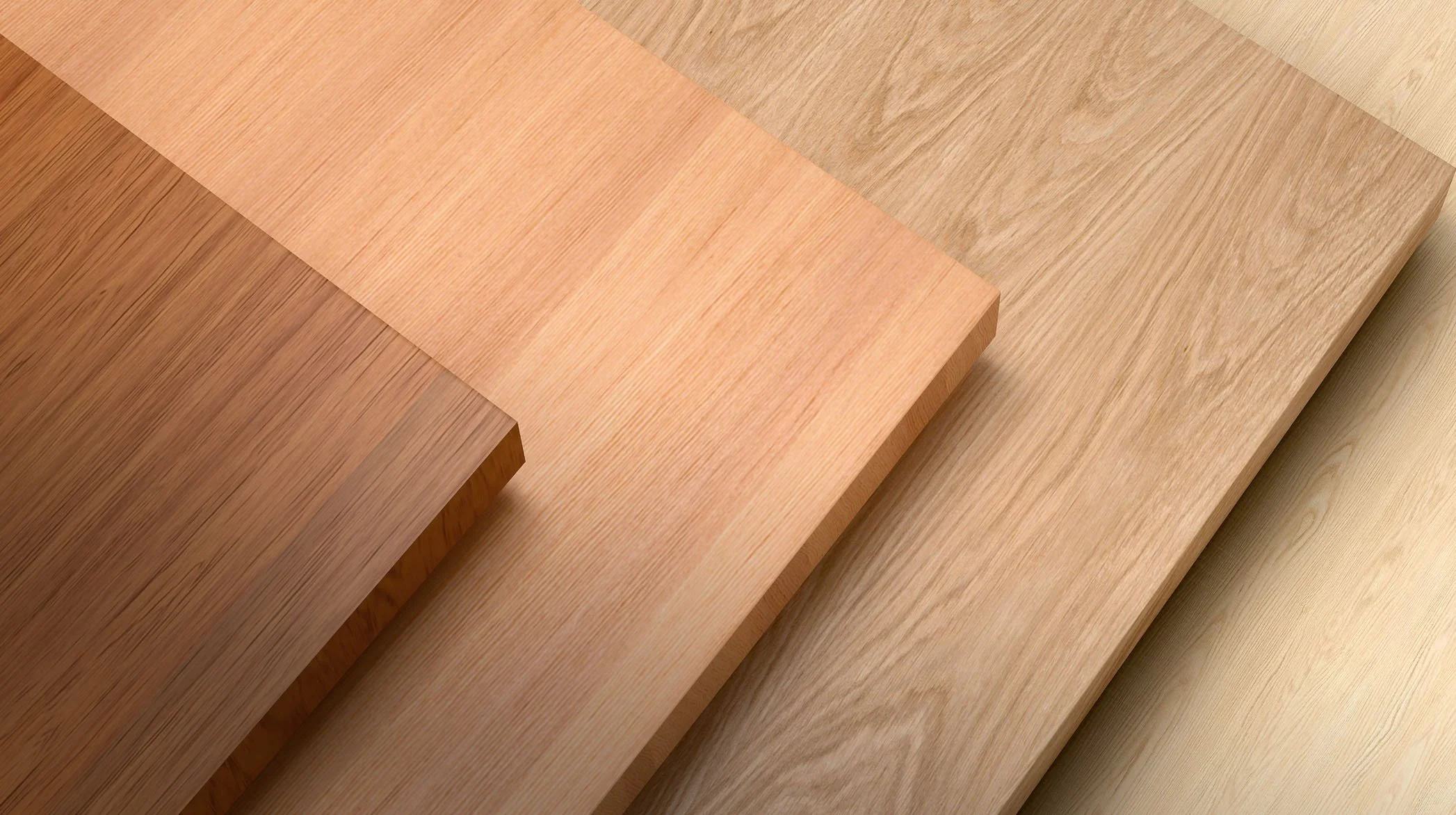
Wood + Lumber Types
A Guide for Custom Homes in Central Oregon.
The Pacific Northwest is world renowned for it’s expansive and lush conifer forests and towering trees such as douglas fir, western red cedar and sitka spruce - hence it’s no surprise that wood and lumber play a massive role in our architectural vernacular here in Central Oregon.
Structural Lumber
Aside from the few members or pieces of hardware made from steel, nearly all homes throughout the high desert are built from wood products sourced locally in Oregon and Washington, as well as British Columbia. Not only a naturally dominant species, but commercially dominant too, the lumber industry has come to hands-down favor douglas fir - prized for its strength, dimensional stability, and ability to grow rapidly, particularly in clearings. The dimensional structural lumber, think 2×4s or 2×6s, used to frame those homes are almost exclusively DFL#2 = Douglas Fir Larch #2. “Larch”, being western larch, which also grows in the temperate forests of the Pacific Northwest alongside the douglas fir and exhibits similar structural properties. “#2” being the grade of lumber, with #3 being poorer quality, and #1 being of the highest quality with fewer knots, straighter grain, and fewer visual defects.
That said, large old-growth species are unfortunately rare and hopefully protected, so the lumber industry had developed engineered products to maximize strength utilizing younger, smaller trees, as well as utilizing lumber byproduct and waste. Below is a short visual guide to the most common engineered products that you may encounter on your project.
Exterior Woods
With much of the Pacific Northwest receiving high volumes of annual rainfall, many of the temporate rainforest trees are naturally resistant to moisture, decay and insect damage. Most notably, western red cedar, coastal redwood and various cypress species have been historically prized for exterior siding and trim material. Their low density, dimensional stability, and natural oils/tannins help them withstand the elements, while minimizing warping and cracking. Due to scarcity and associated higher costs, and wildfire risk, many wood products traditionally used in exterior applications are being replaced with engineered composite materials.
Interior/Finish Woods
While the forests of the Pacific Northwest are known for and dominated by tall conifers with softwood less suitable for interior applications and finish materials, some hardwood species do exists, including white oak, red alder, and big leaf maple. That said, designers and builders throughout Central Oregon have looked to a broader array of hardwood species not native to the Pacific Northwest to expand their creativity and offerings, including many of the hardwoods native to the eastern portion of the US, such as red oak, white ash, hickory and black walnut, or even tropical hardwoods sourced from other continents.
Popular Wood/Lumber Species
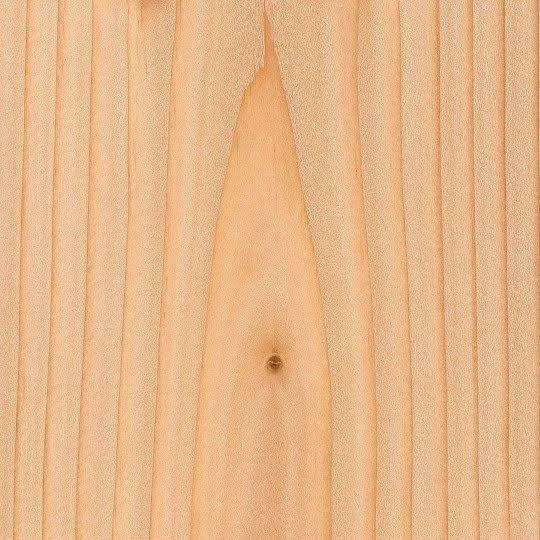
Douglas Fir (Pacific Northwest native softwood)
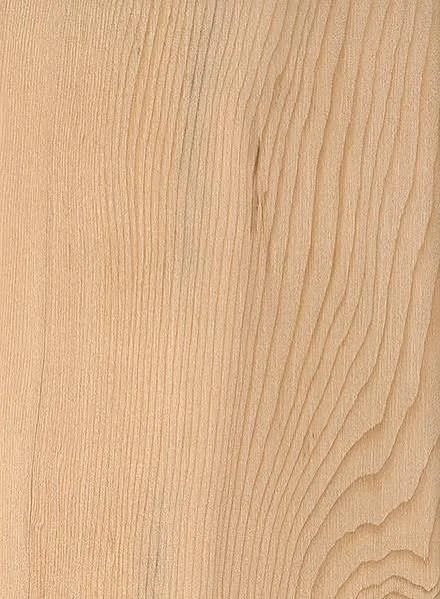
Western Hemlock (Pacific Northwest native softwood)
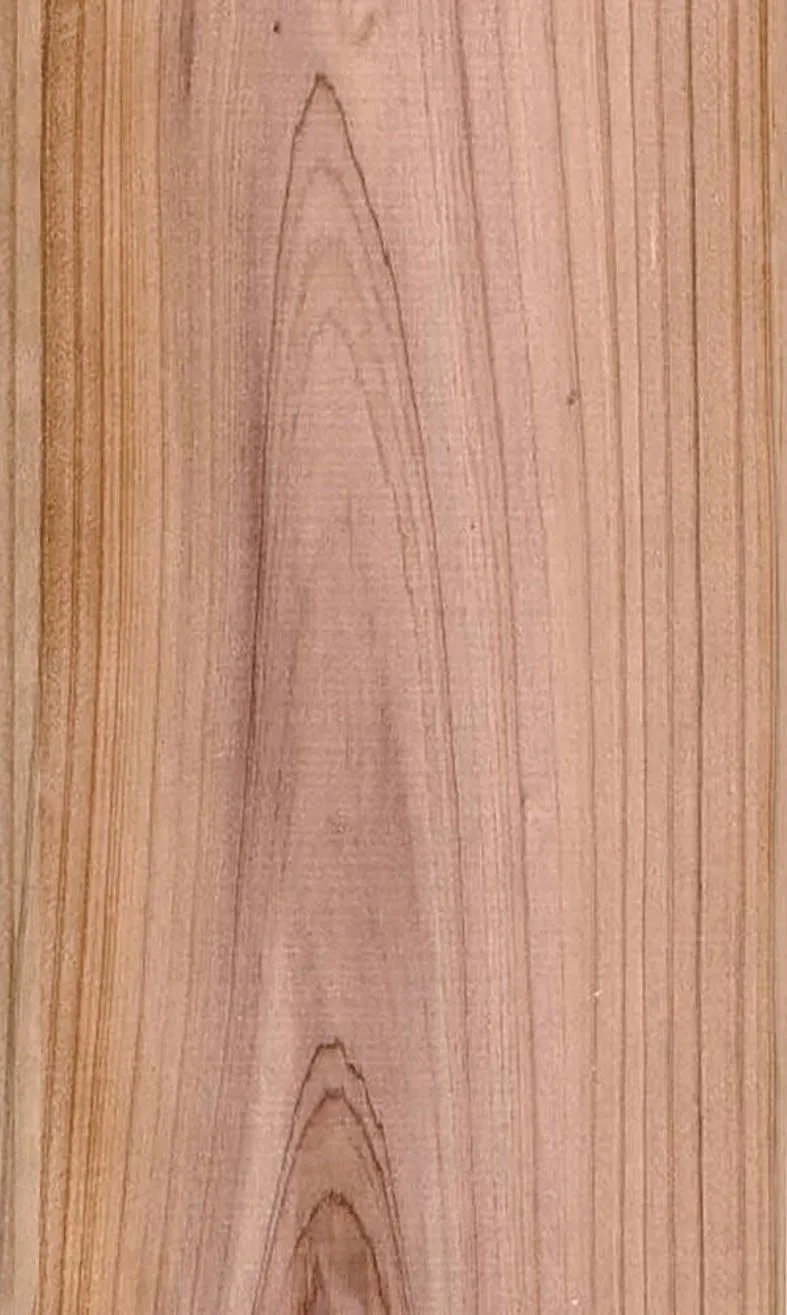
Western Red Cedar (Pacific Northwest native softwood)
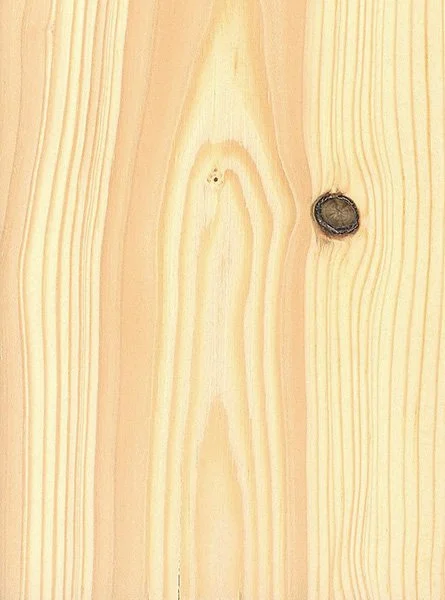
Pine (North American softwood)
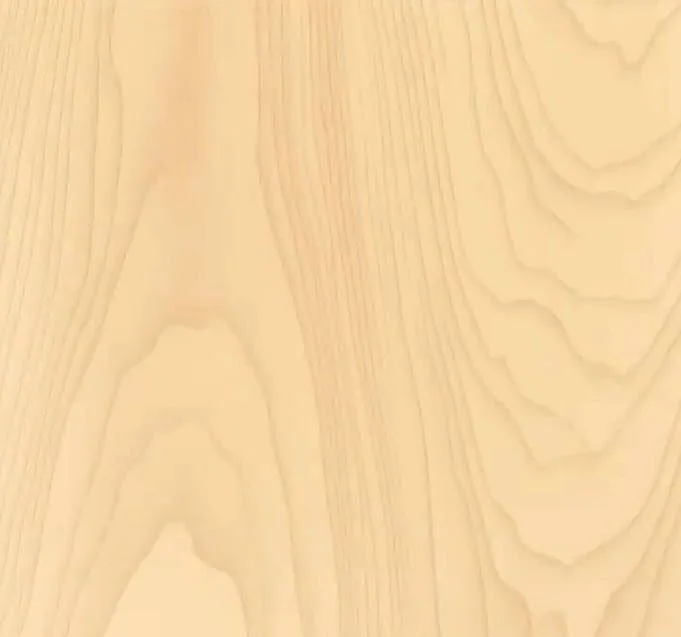
Baltic Birch (Scandinavian hardwood)
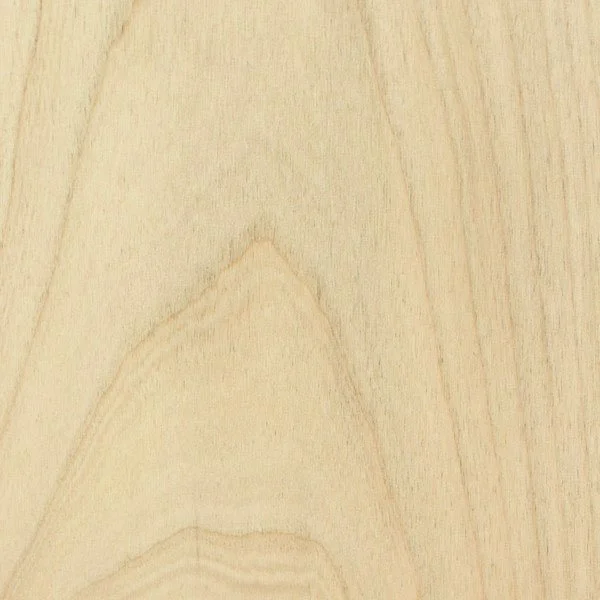
Red Alder (Pacific Northwest native hardwood)
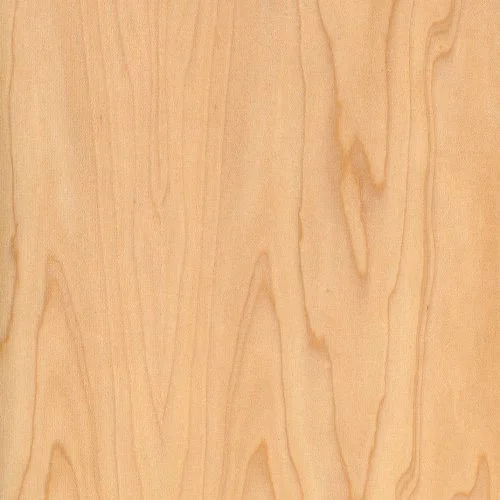
Maple (North American softer hardwood)
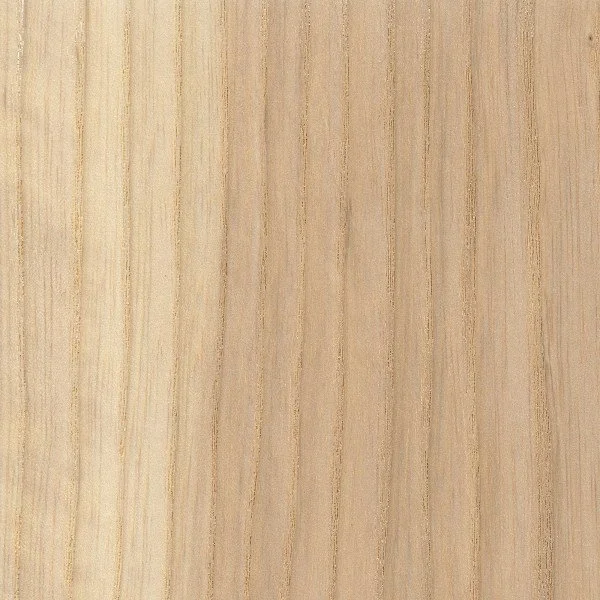
White Ash (North American hardwood)
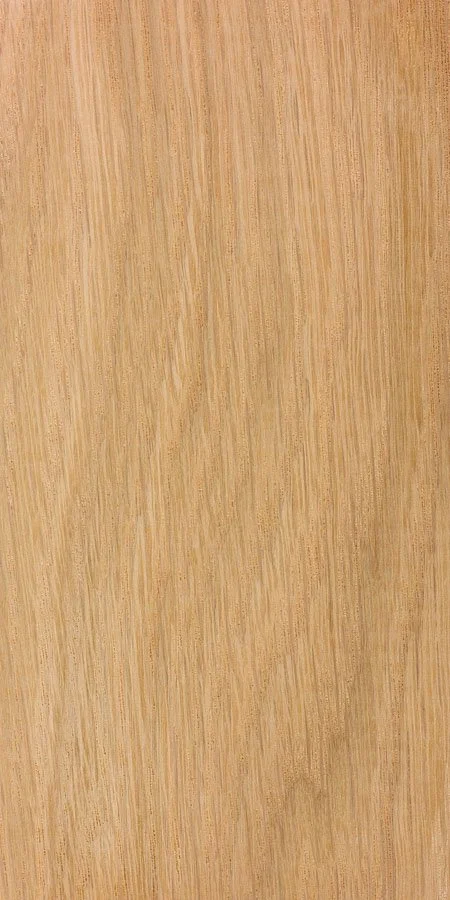
White Oak (Pacific Northwest native hardwood)
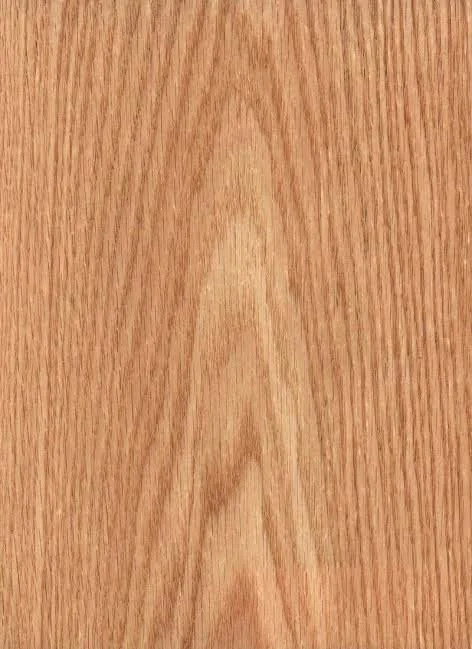
Red Oak (North American hardwood)
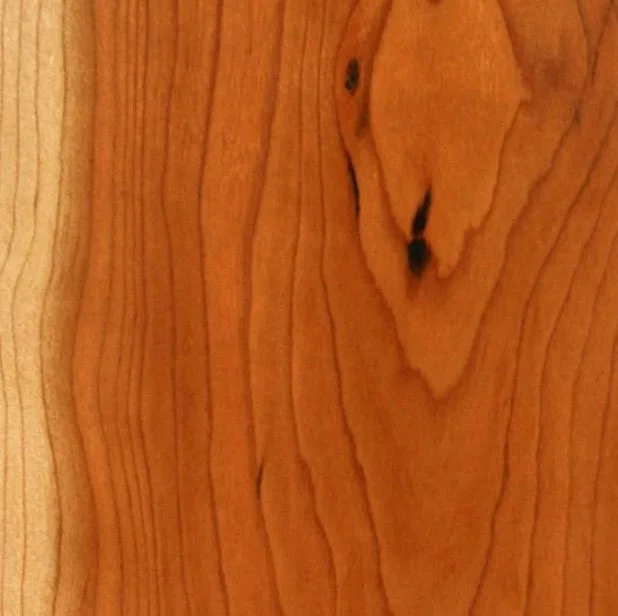
Cherry (North American hardwood)
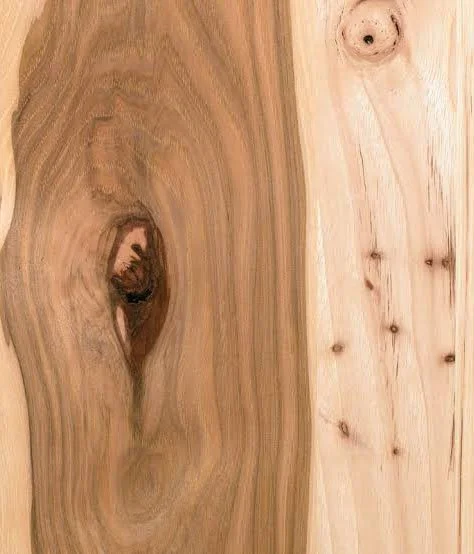
Hickory (North American hardwood)
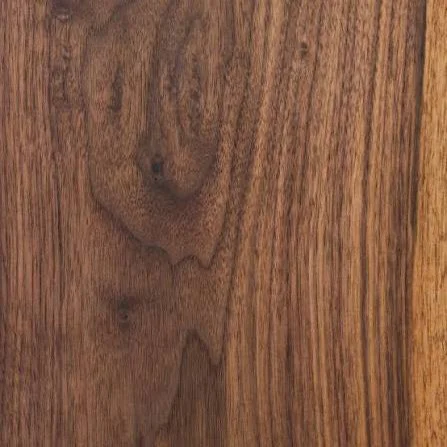
Black Walnut (North American hardwood)
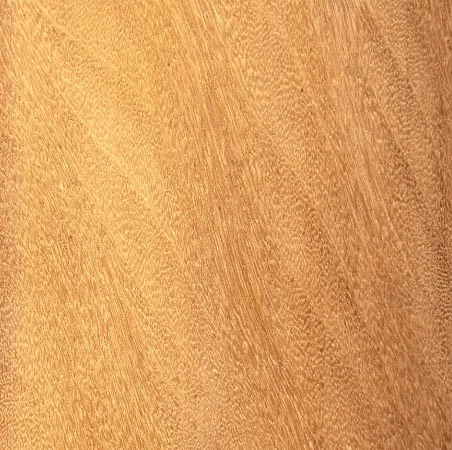
Garapa (South American hardwood)
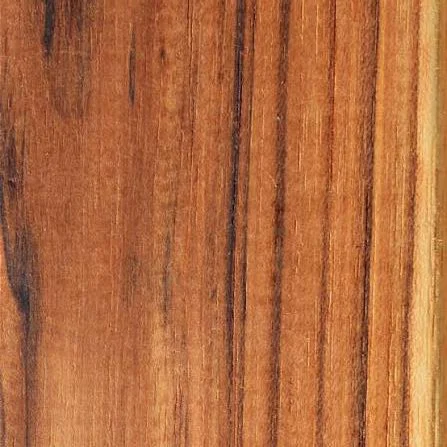
Teak (Southeast Asian hardwood)
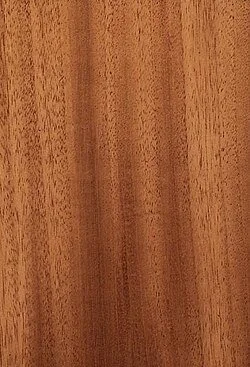
Mahogany (Central and South American hardwood)
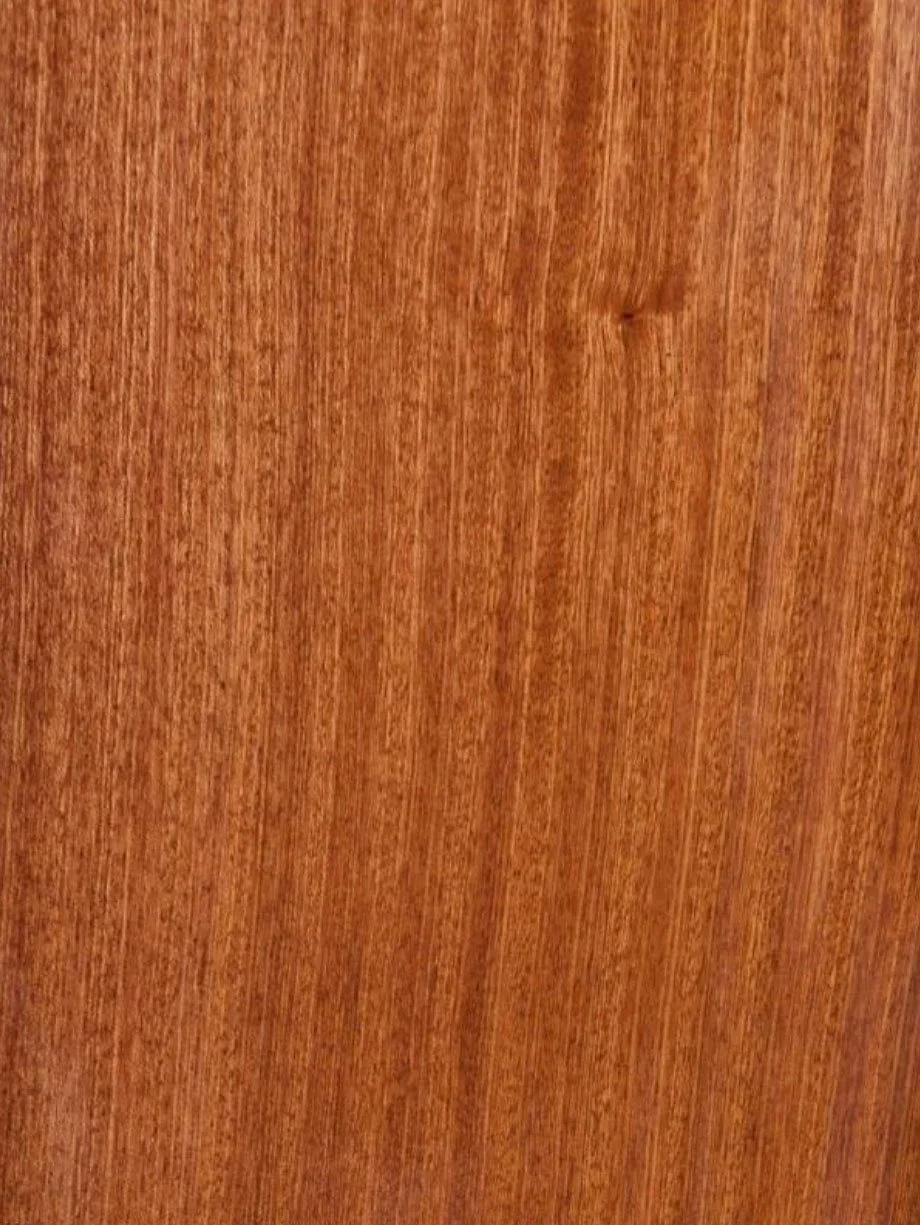
Sepele (African hardwood)
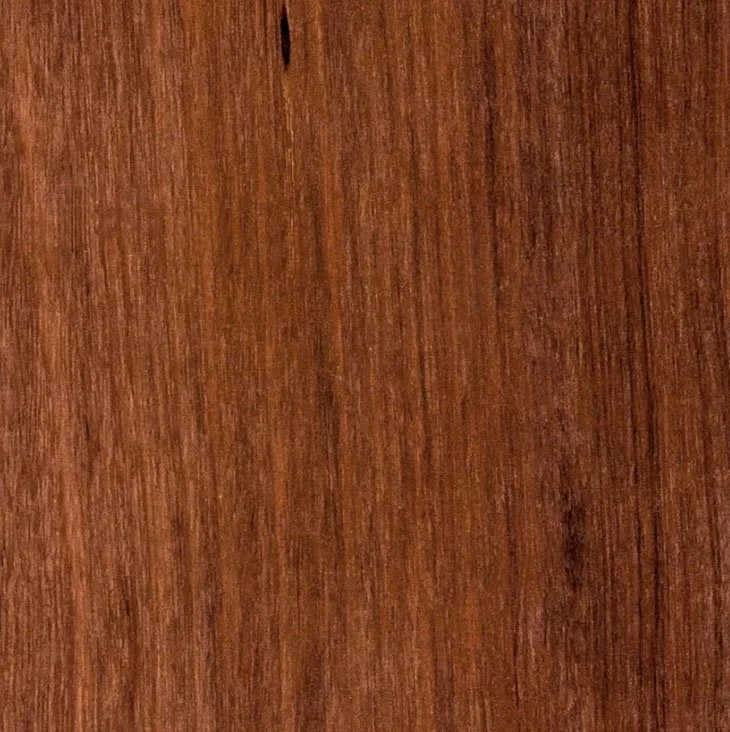
Ipe (South American hardwood)
Wood/Lumber Saw Cuts
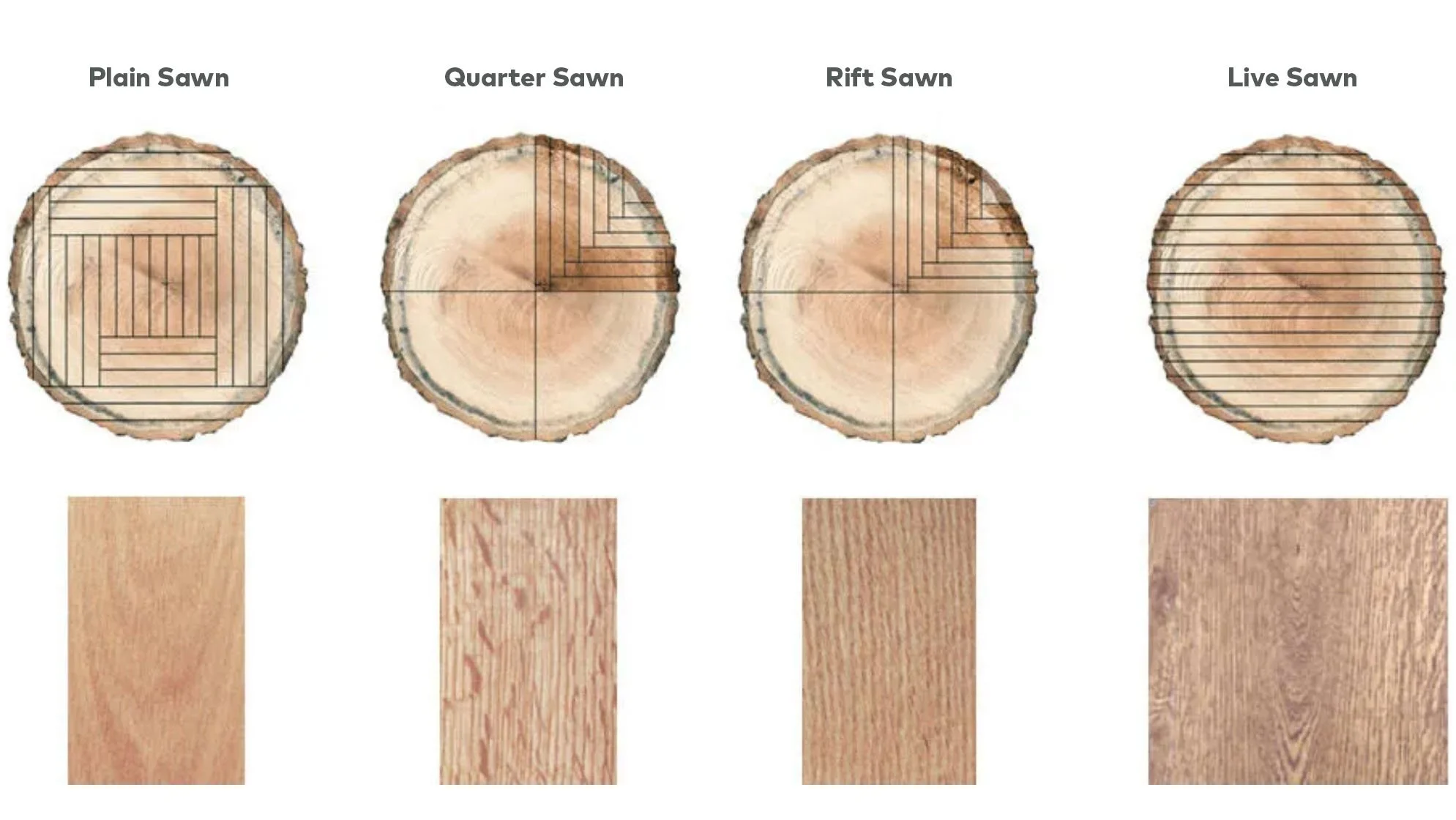
Engineered Wood Boards
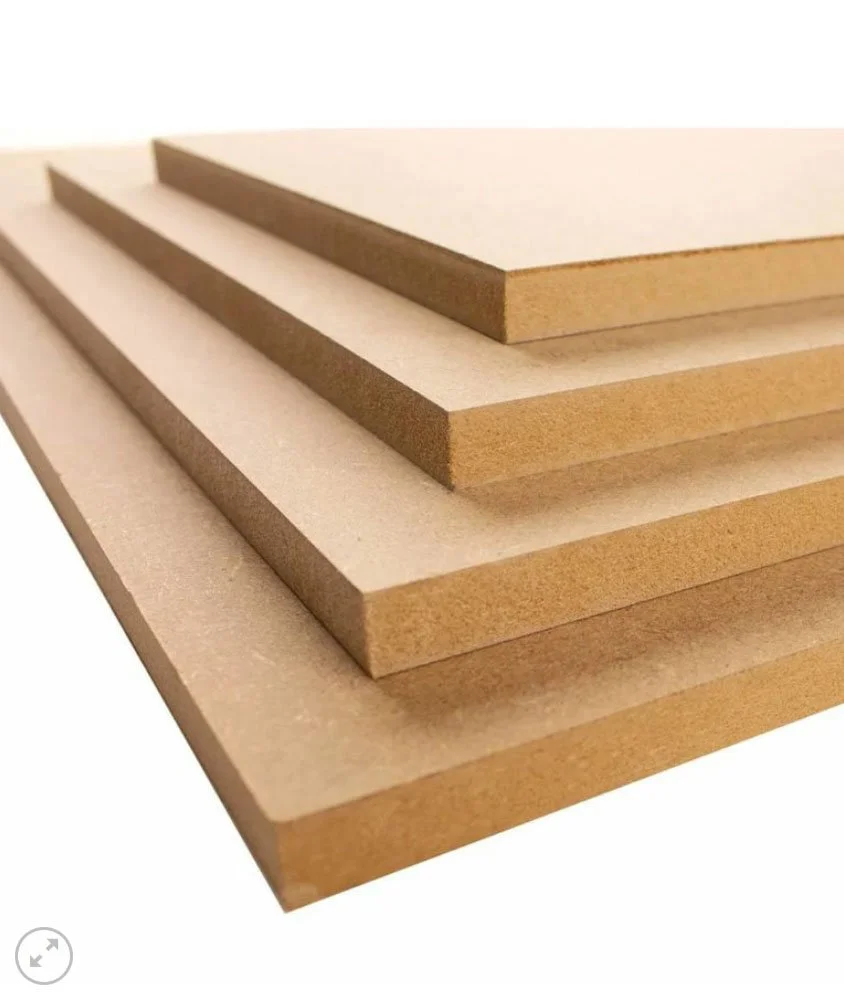
MDF (Medium Density Fiberboard)
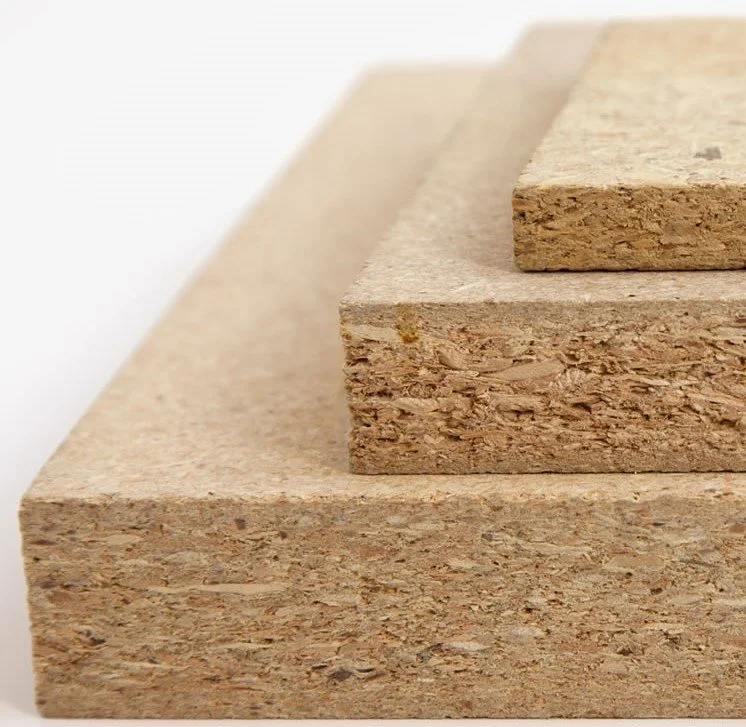
Particle Board
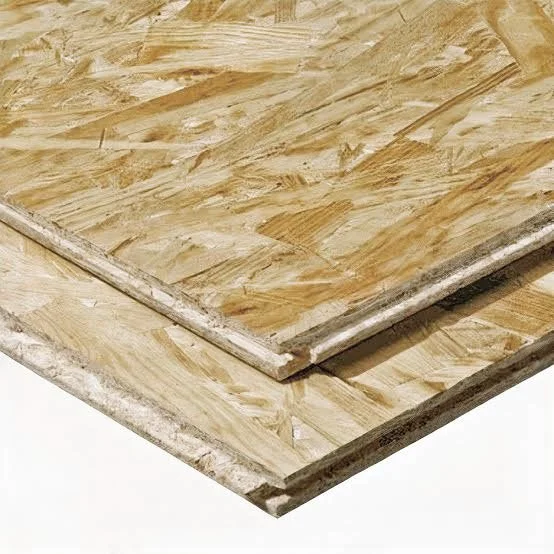
OSB Plywood (Oriented Strand Board)
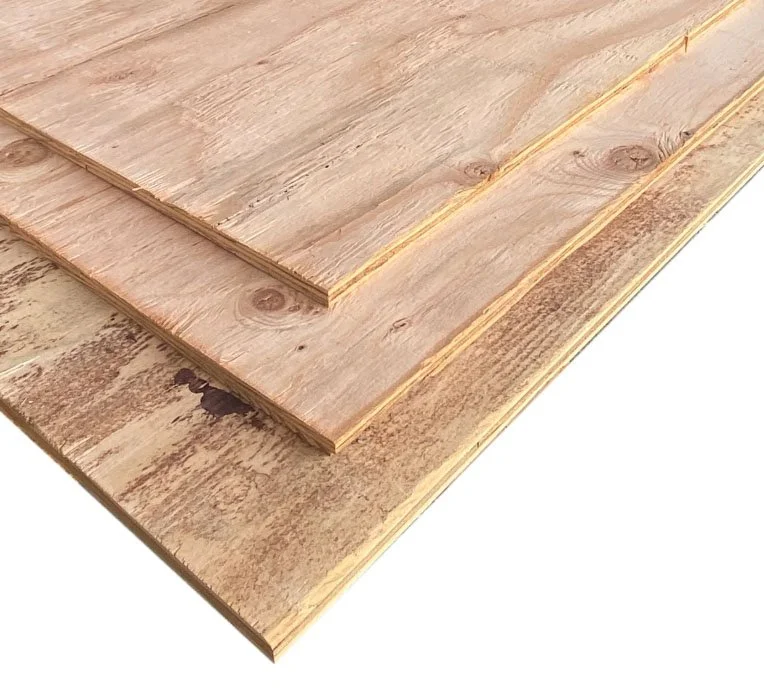
CDX Plywood (Grade C = Structural and unfinished w/ cosmetic blemishes)
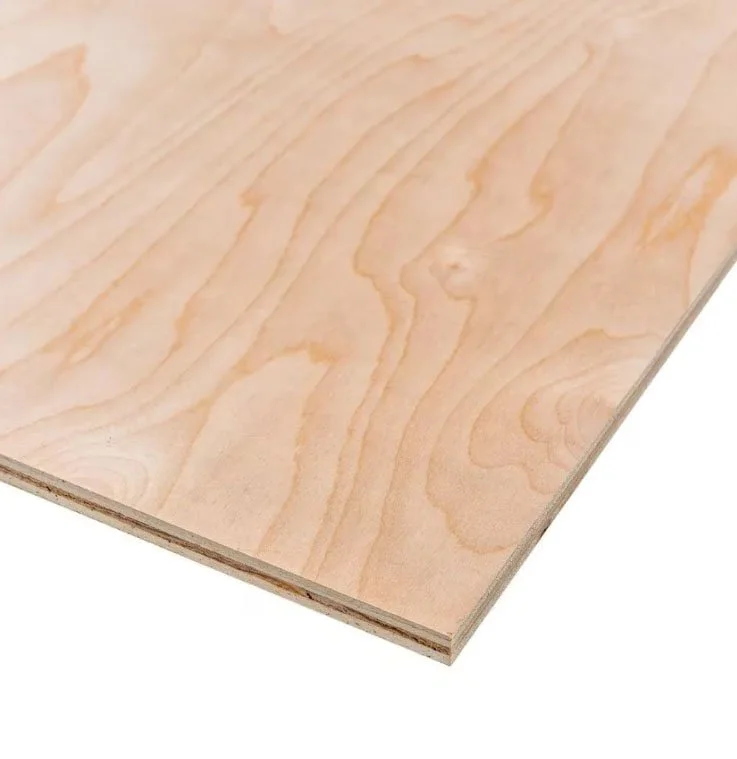
ACX Plywood (Grade A = Finished for interior applications)
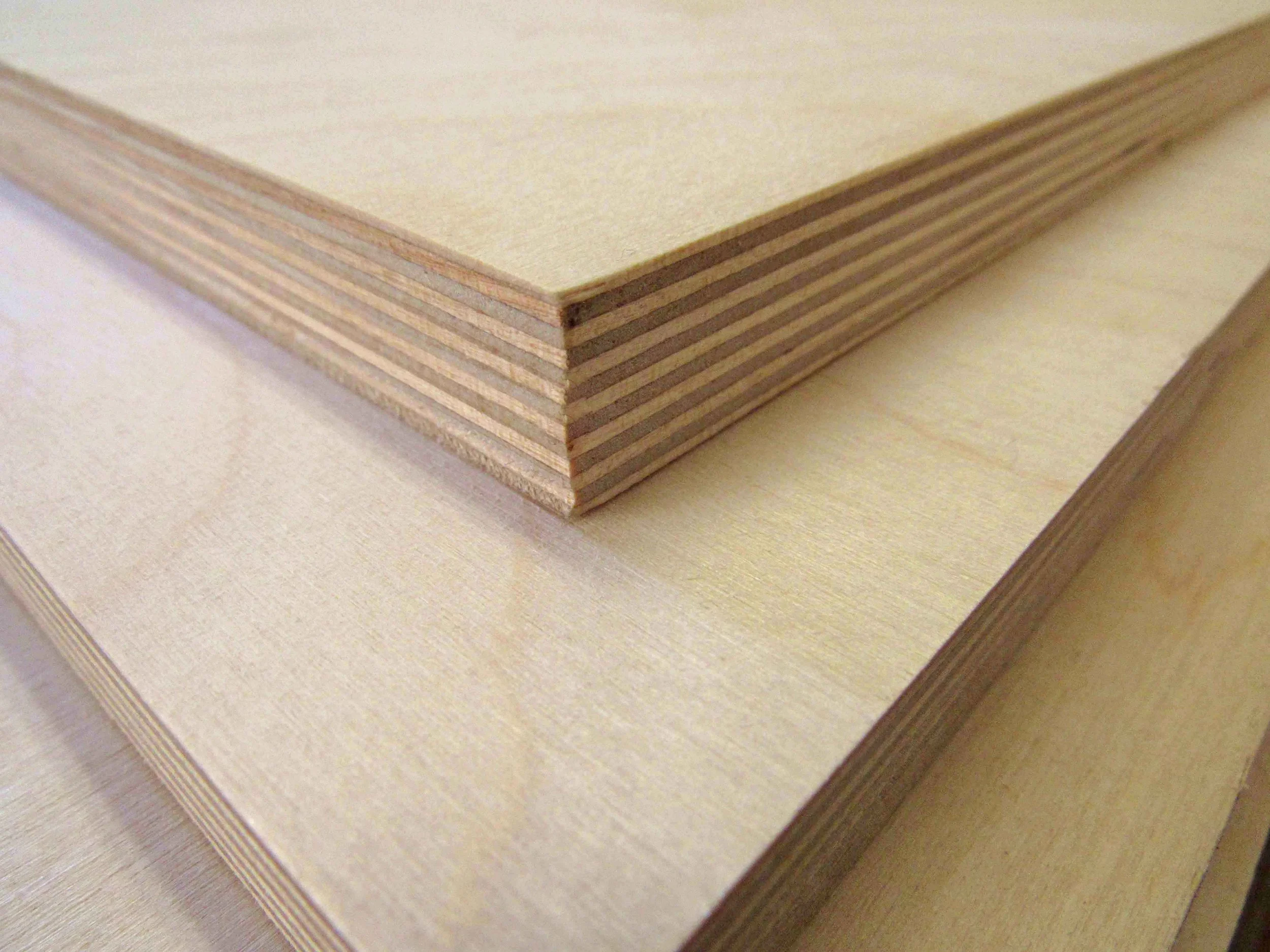
Hardwood veneer-core plywood (AKA "ApplePly")
Engineered Lumber + Structural Members
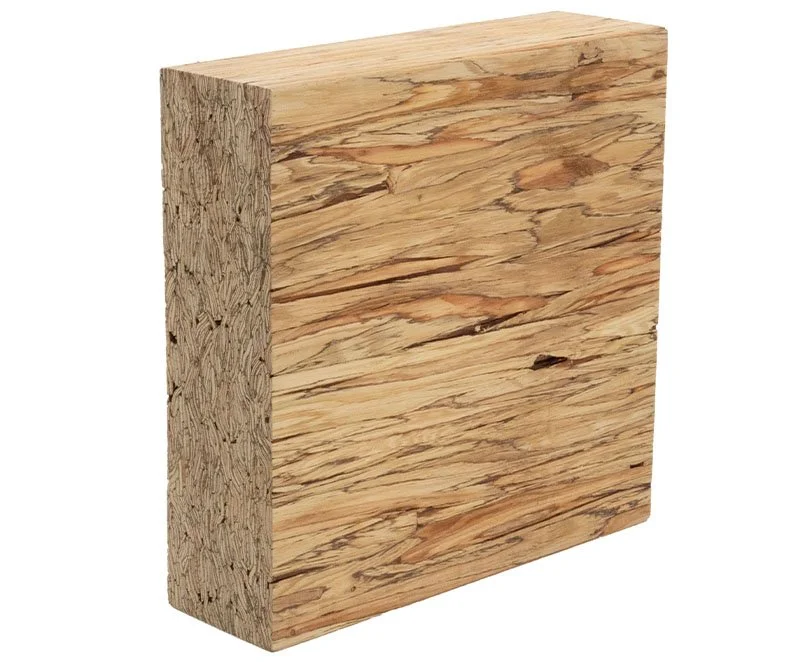
LSL (Laminated Strand Lumber)
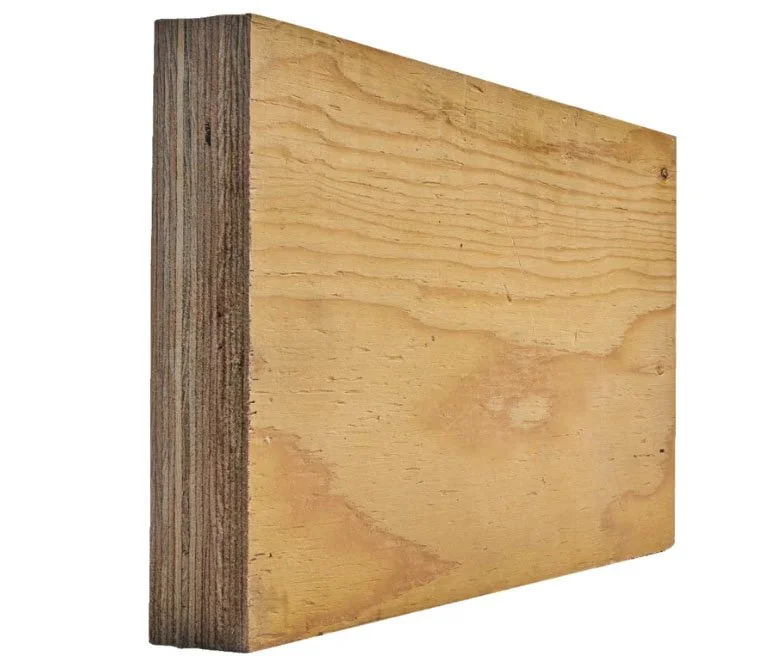
LVL (Laminated Veneer Lumber)
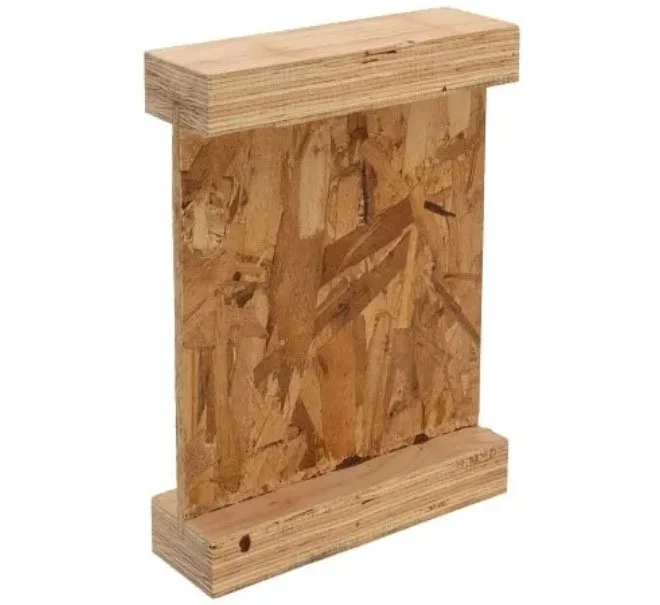
TJI (Truss Joist I-Joist)
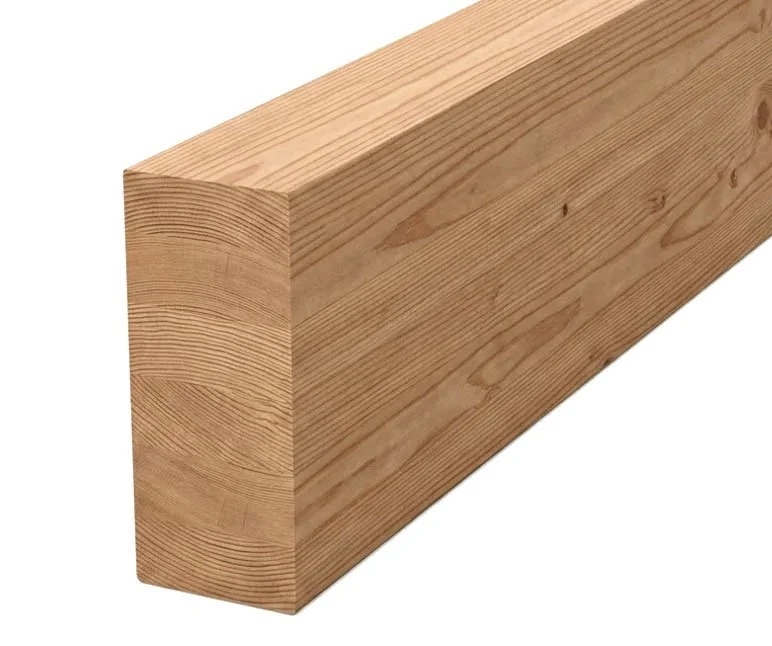
GLB (Glue Laminated Beam)(AKA "Glulam")
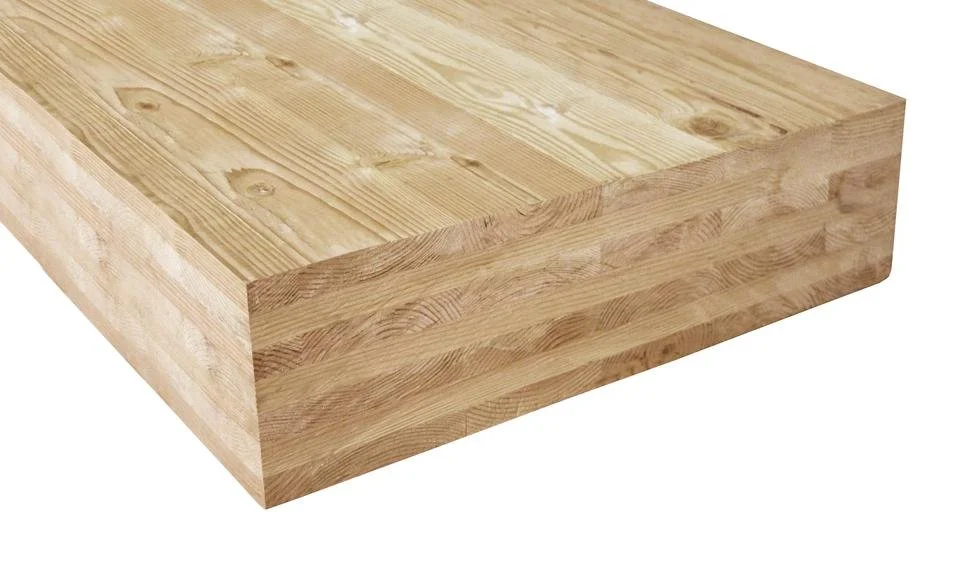
CLT (Cross-Laminated Timber)
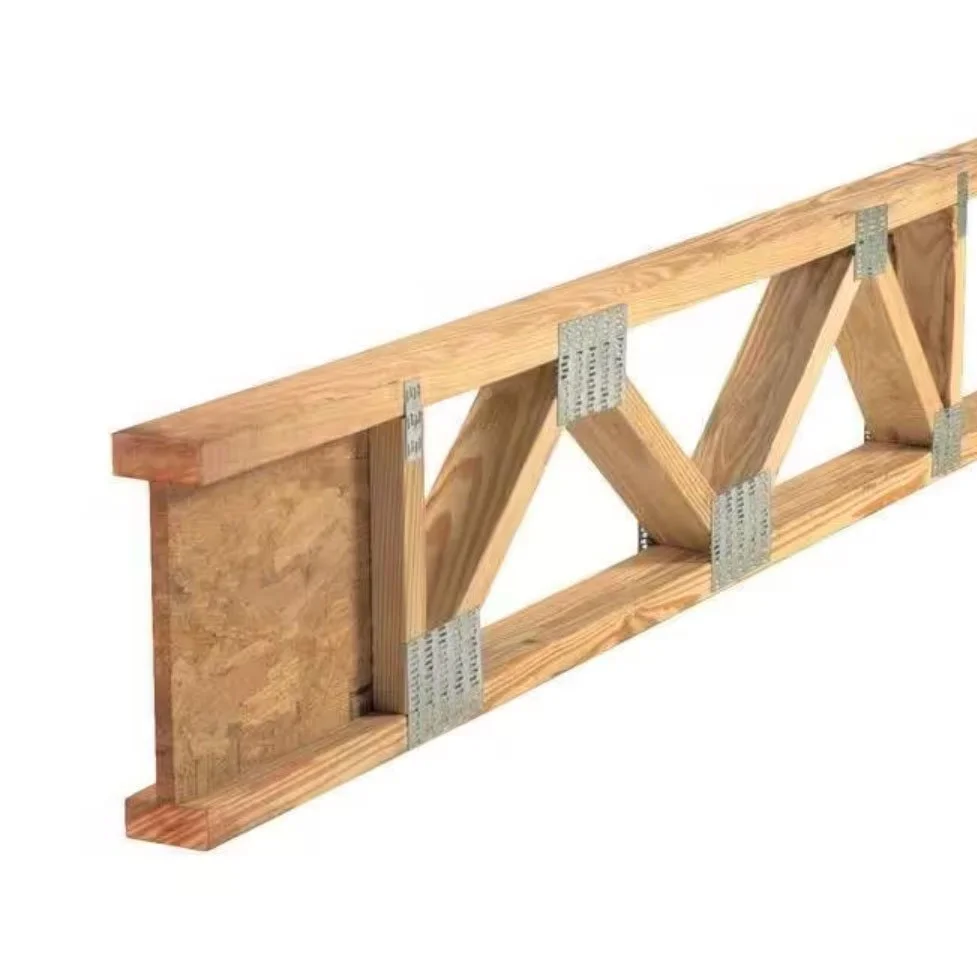
Open Web Truss or Joist
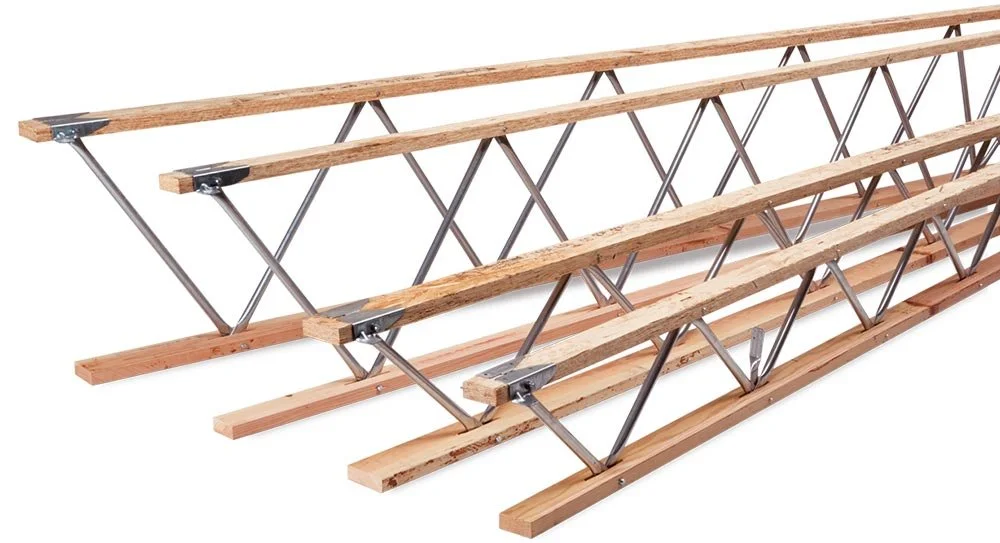
Open Web Wood-and-Steel Hybrid Truss